)
Baby Gear
A Guide to Safe Baby Sleep
Ensuring your baby sleeps safely is one of the most important concerns for new parents. From co-sleeping to breastfeeding and nighttime routines, it's natural to have questions about what's safe and what's recommended. In this guide, we cover the most common questions — and a lot more — so you feel confident every time you lay your baby down.
What Does "Sleeping Well" Actually Look Like?
Before diving into the safety guidelines, it's worth clearing up a common misconception: a baby who sleeps well doesn't necessarily sleep through the night. Healthy sleep often looks like:
Waking up calm or content
Having alert and curious awake periods during the day
Feeding regularly and growing steadily
Falling asleep within a reasonable time
Getting enough total sleep across 24 hours
Newborns typically sleep up to 17 hours a day in total, but wake every two to four hours during the first weeks. As early as 6 weeks old, many babies begin sleeping less during the day and longer stretches at night. Between 4 and 6 months, many babies can sleep 8 to 12 hours through the night — though every baby is different, and all of this is normal.
Should I Co-Sleep With My Baby?
Co-sleeping is one of the most asked-about topics among new parents: should your baby sleep in the same bed as you, and if so, when is it safe?
The safest setup, according to the Swedish National Board of Health and Welfare, is for your baby to sleep in their own bed. That said, the American Academy of Pediatrics — with over 66,000 pediatrician members — recommends that infants sleep in the same room as their parents during the first year of life, even if not in the same bed. Room-sharing, without bed-sharing, significantly lowers the risk of sudden infant death syndrome (SIDS). Read more about how to keep your baby safe from SIDS
If your baby does sleep in your bed, always make sure they lie level with your head so that your blanket cannot cover their face, and that there's no risk of you rolling onto them during the night.
When Can a Baby Sleep Between Mom and Dad?
Many parents wonder when it becomes safe for a baby to sleep between them. Here's what the guidelines say:
Newborns and infants under 6 months are safest in their own sleep space. Room-sharing is recommended, but bed-sharing carries real risks at this age — including the possibility of rolling over the baby or a blanket covering their face.
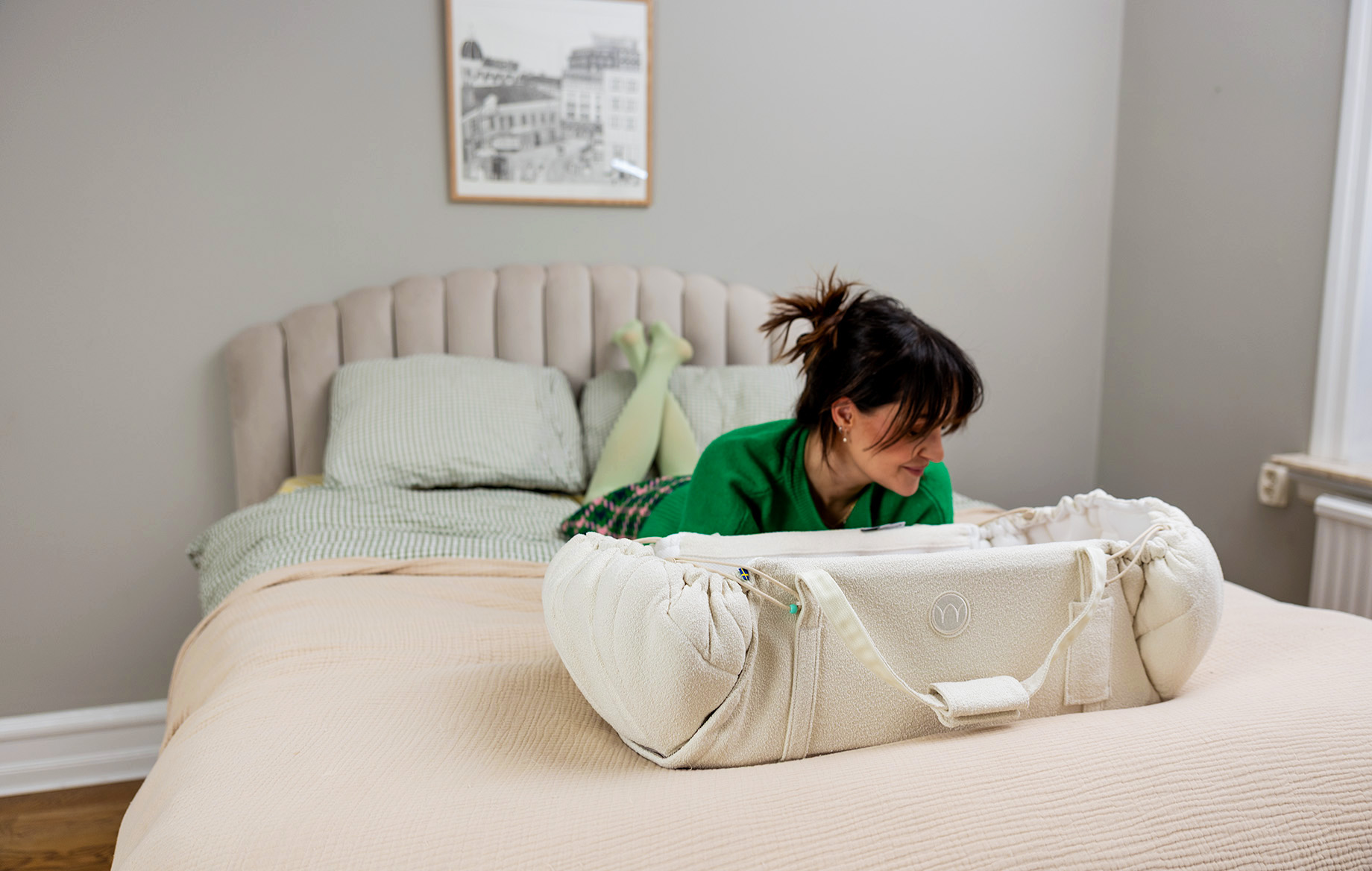
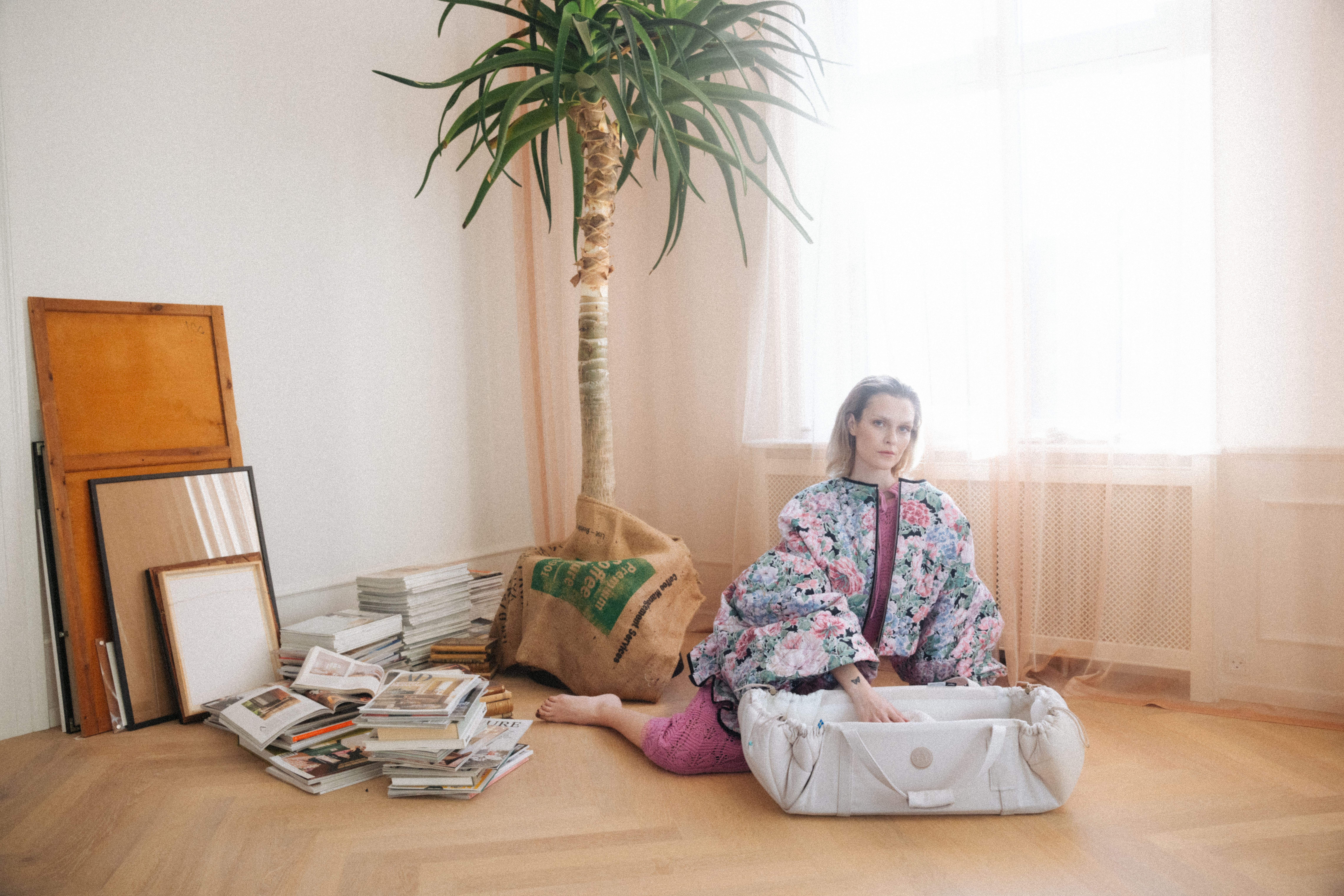
Some families choose sidecar or co-sleeping arrangements. If you do, a firm, flat surface is essential. Soft bedding, pillows and heavy blankets around a sleeping baby increase risk. A product like the Najell SleepCarrier vol. 5 is designed precisely for this situation: its high, stable sides make it virtually impossible for an adult to roll over them, and the firm mattress means a baby cannot sink their face into the surface. You can place it right next to you in bed, giving you that closeness while keeping your baby in their own safe space.
How to Create a Safe Sleep Environment
A safe sleep setup is about more than just where the baby sleeps. Here's what to focus on:
Back is best. Always place your baby on their back to sleep. This single recommendation has dramatically reduced SIDS cases over the past decades — the number of cases dropped drastically when guidance shifted from stomach to back sleeping.
Keep the sleep space firm and flat. A firm mattress with no soft pillows or heavy blankets nearby is the baseline. Pajamas and a well-fitting baby sleeping bag are usually enough to keep your baby warm without the risks that come with loose bedding.
Avoid nicotine exposure. Research shows that nicotine — both during pregnancy and after — makes it harder for infants to rouse themselves after a brief stop in breathing. This applies to passive smoke exposure too.
Room temperature matters. A slightly cool room (around 16–20°C) is generally considered ideal for baby sleep. Overheating is a known risk factor for SIDS.
Breastfeed if you can. Studies have found a relationship between breastfeeding and a reduced risk of SIDS — likely because it lowers the risk of viral infections, which in turn increase SIDS risk.
Use a pacifier at night. Research has shown that pacifier use during nighttime sleep is associated with a lower risk of SIDS. The reason isn't fully understood, but the correlation is consistent across multiple studies.
What Is SIDS, and How Rare Is It?
Sudden Infant Death Syndrome (SIDS) is the sudden, unexplained death of an infant during sleep. It's something almost every new parent worries about — but it's important to know the numbers: SIDS occurs in approximately 1 in 6,000 children, or about 0.016%. It almost always happens during sleep.
We still don't know the exact cause, but we do know the risk factors and how to minimize them. The tips in this guide — back sleeping, firm sleep surface, room-sharing, breastfeeding, pacifier use, avoiding nicotine — are all evidence-based ways to keep the risk as low as possible.
What If My Baby Falls Asleep While Breastfeeding?
It's completely normal for babies to fall asleep during a feed. Here's how to handle it safely:
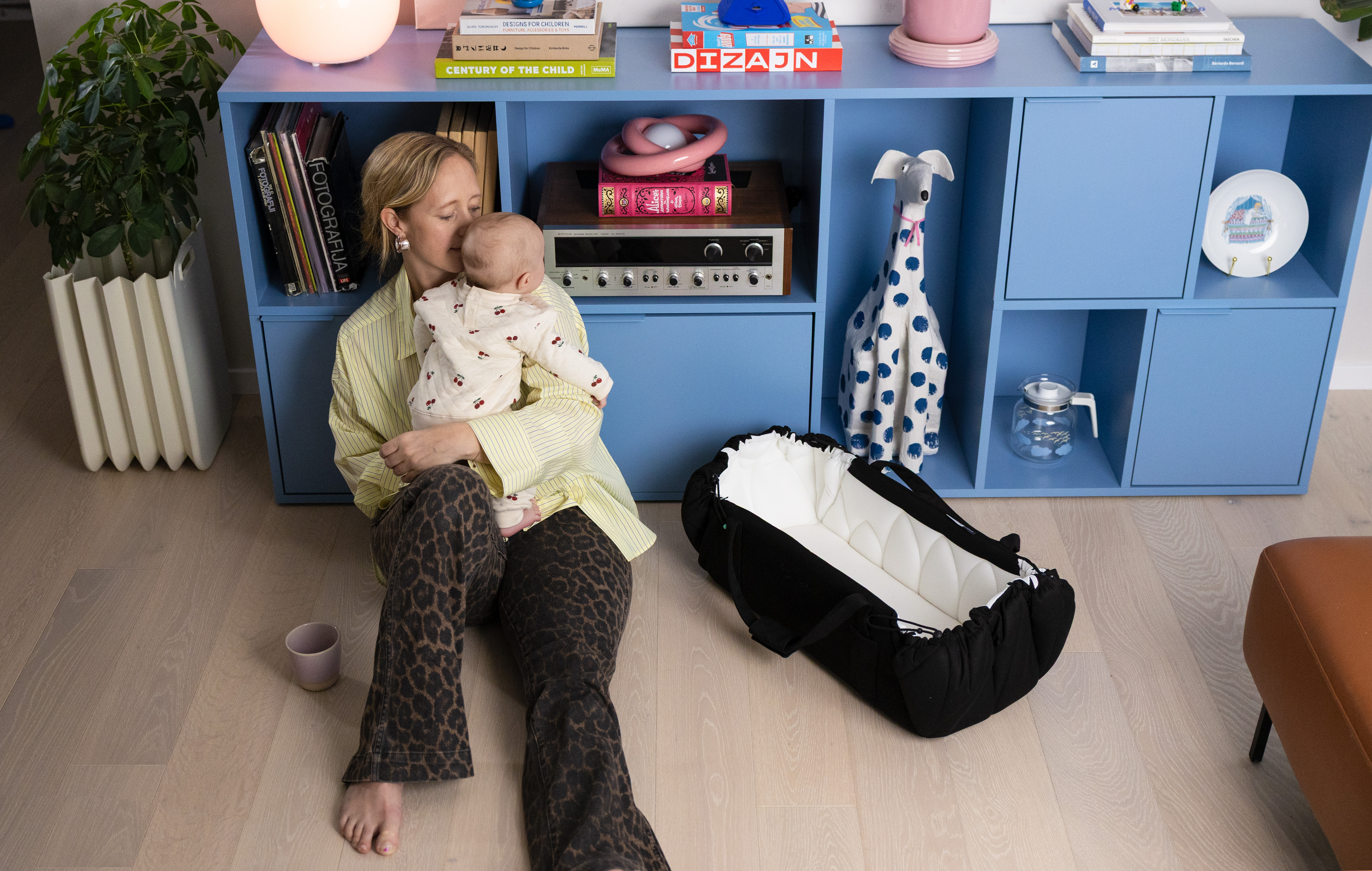
Transfer carefully. If your baby nods off in your arms, gently move them to a safe sleep surface — like the SleepCarrier — keeping their head and neck supported throughout.
Maintain a routine. Over time, try putting your baby down when drowsy but still awake. This encourages independent sleep skills without cold-turkey sleep training.
Stay close. Keeping your baby nearby in a safe carrier or co-sleeper helps them transition between sleep cycles more comfortably — and means you won't have to go far for the next feed.
How to Help Your Baby Fall Asleep: Routines That Work
One of the most effective things you can do for your baby's sleep — and your own — is establish a consistent bedtime routine. Babies thrive on predictability. A routine signals to their nervous system that sleep is coming, making it easier to wind down.
A simple routine might look like:
Bring your baby to their room and dim the lights
Change into pajamas or a sleeping bag
Feed (if it's part of the routine)
Read a short story or sing a familiar song
A few quiet words: "It's sleepy time now"
The exact steps matter less than the consistency. Doing the same thing each night — in the same order — builds a powerful sleep cue over time.
A note on sleeping bags: Zipping your baby into a cozy sleeping bag every sleep time is a wonderful cue. It's familiar, it's snug, and it removes the need for loose blankets in the crib. If you use a blanket, a lightweight, breathable option like the Najell Baby Blanket (80×100 cm, 95% cotton and elastane) is easy to tuck in securely without creating bulk.
Naps on the Go: How the Right Baby Nest Helps
One of the most common challenges for new parents is that babies don't only nap at home. Whether you're at a café, visiting family, or running errands, your baby still needs their sleep — and disrupting a nap to move them can undo everything.
This is where a portable baby nest like the SleepCarrier vol. 5 earns its place. It's designed to fit directly in most prams, so you can move a sleeping baby from the car to the pram and back without waking them. At home, it opens fully into a 111×66 cm play mat for tummy time. The stable sides and new locking system mean it keeps its shape wherever you use it, and the firm mattress provides safe, supportive sleep whether you're at home or on the go.
For outdoor naps, the Canopy for SleepCarrier clips on in seconds and shields against sun and wind while softening external sounds and light — creating that calm, darkened environment that helps babies stay asleep longer. It folds away neatly with push buttons when not in use.
10 Quick Facts About Baby Sleep Every Parent Should Know
Newborns sleep up to 17 hours a day, but rarely for more than 3–4 hours at a stretch.
Babies have shorter sleep cycles than adults — about 45–50 minutes — which is why they wake more frequently.
Back sleeping reduces SIDS risk dramatically. Side or stomach sleeping is not recommended for young infants.
Room-sharing (not bed-sharing) is recommended for at least the first 6 months.
Overtiredness makes it harder for babies to fall asleep, not easier. Watch for sleep cues like eye-rubbing and yawning.
Most newborns can't stay awake for more than 1.5–2 hours between naps without becoming overtired.
White noise mimics the sounds of the womb and can help some babies settle and stay asleep.
Pacifier use at night is associated with a lower risk of SIDS.
Breastfeeding is linked to better sleep for many babies and a reduced SIDS risk.
Sleep regressions at 4 months, 8 months, and 12 months are normal — they often signal developmental leaps, not a problem to fix.