)
How to end the dinner time battle!
It's dinner time, and you already know your toddler isn't touching the mashed carrots you carefully made. Meals can turn into a nightly standoff, and it's easy to feel guilty or unsure what to do next. Take a breath — food refusal is one of the most common phases of toddlerhood, and it almost always gets easier with a little patience and a few small shifts.
Why toddlers go through picky eating phases
Around the toddler years, growth slows down and appetite naturally becomes less predictable — which is one reason food refusal shows up so often at this age. Toddlers are also testing independence, and mealtime is one of the few places where they get to say no. None of this means you're doing anything wrong. It's a normal, temporary stage, not a reflection of your parenting or your child's long-term relationship with food.

Ways to make mealtimes easier
You don't need a strict system to get through this phase — small, consistent shifts tend to make the biggest difference.
Stay calm!
Always stay calm and neutral in this situation, without raising the voice at the child. If the child refuses to eat occasionally, there is no need to panic. Instead of getting upset, always eat with the child and be an enthusiastic role model. If the child sees you eating the food with pleasure, he's more likely to imitate you. Most importantly, parents must be supportive of each other in front of their child. It's very important that the parents are on the same page and working as a team. Discuss how you will handle the foreseen situation before you sit down at the dinner table.
Encourage the child
Encourage and complement the child when he agrees to taste a new food, even if he did not like it. When regularly seeing the same food on the dish or on the dinner time table, the food will become familiar and soon maybe one of the favorites. It can take up to ten times for children and adults to like new tastes in food. So never give up after one try.
Be creative!
Some foods such as green vegetables have a more distinctive taste and are sometimes difficult for children to eat. Mixing green vegetables with other sweeter vegetables like carrots, can be a good way to get them to try and ultimately get familiar with the taste. There are many ideas and recipes to be found on the internet.
Try not to use blackmail at dinner time
It can be tempting, but never use blackmail with food; "If you don’t eat vegetables, you won’t have dessert." Blackmail reinforces the rejection of the food and attraction for the sweet-reward. Never try to feed the child by promising a reward or by threatening a punishment. This can be very difficult, but is better for the long run. Dinner time can be very tiring for parents, but don't give up.
Eat at the table
Use dinner time for family time. Turn off all screens (TV, phone, tablet) or leave them far away from the dinner table. Screens don't only interfere with family discussions, they also catch children's attention. Establish a regular schedule for dinner time, it is less likely to affect the child's appetite. Children usually love routine. It makes them feel good and secure.
Common questions about picky eating
Why does my toddler suddenly refuse food they used to love? Taste preferences shift often at this age, and refusal is frequently more about asserting independence than the food itself. It's rarely a sign of a lasting dislike.
Is it normal for a toddler to skip meals? Yes — appetite naturally fluctuates, and toddlers are generally good at eating enough across a day or a week, even if one meal looks like nothing went in. If you're ever concerned about your child's growth or intake, your paediatrician or child health nurse is the best person to check in with.
How long does a picky eating phase usually last? It varies a lot by child, but most picky phases ease naturally over weeks to months as long as pressure and bargaining are kept out of the picture.
Making mealtimes work for you
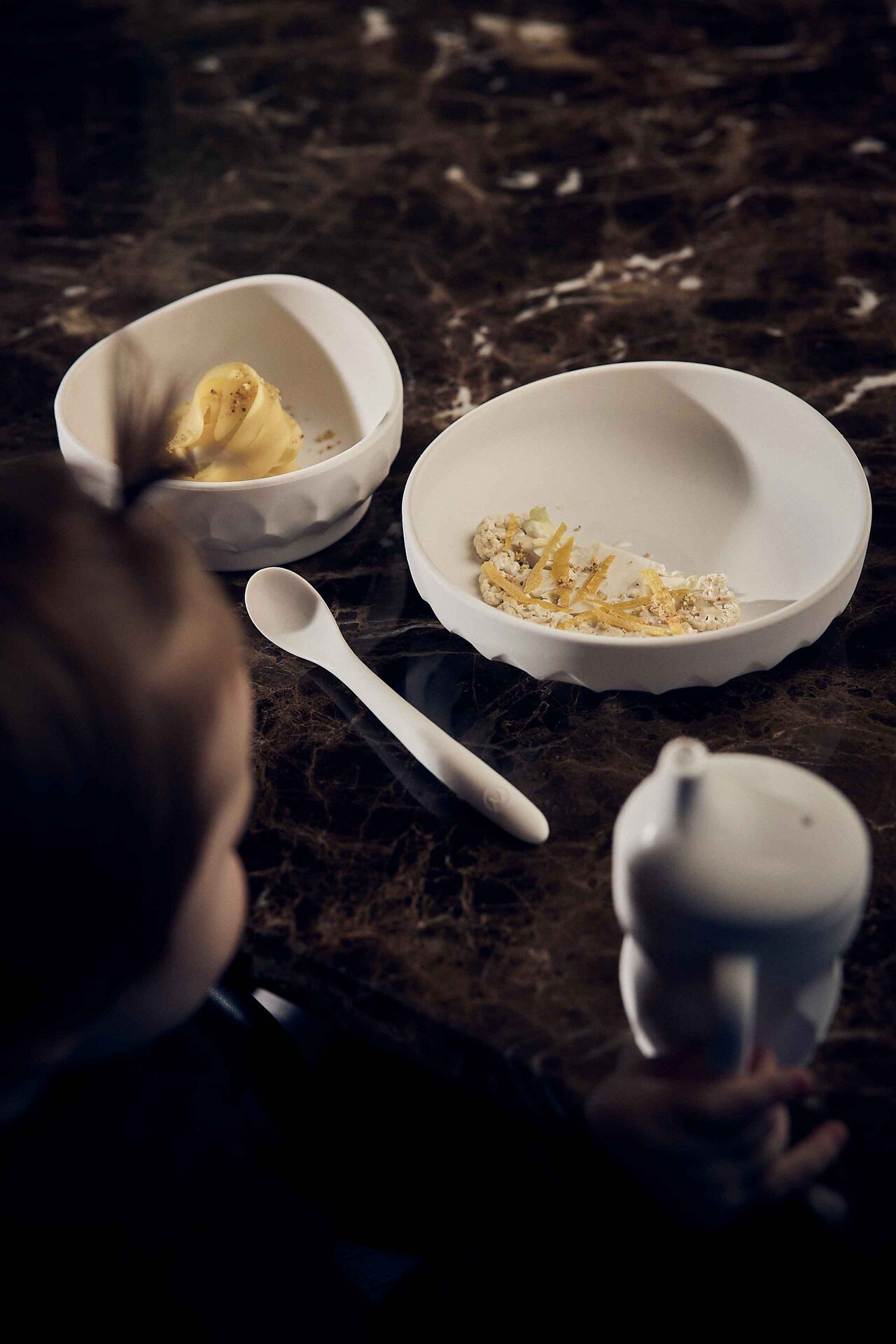
Sometimes giving a toddler a bit more ownership over their plate takes the pressure off entirely. A self-feeding set with a scooped bowl and plate can make it easier for little hands to serve themselves, and a soft, flexible feeding spoon is often easier for toddlers to hold and steer on their own. Small, low-pressure tools like these won't fix a picky phase overnight, but they can make the table feel like a place your toddler wants to be part of, not one they're being managed at.