
Fall hydration and immunity: taking care of you while you feed your baby
There's a lot of advice out there about keeping your baby healthy as the seasons turn — layering up, adjusting sleep, building up little immune systems. Much less gets said about you. Whether you're breastfeeding, pumping, or formula-feeding, your body is doing real work every day, and the shift into cooler, drier weather is a good moment to check in with yourself, too.
The good news: supporting your own hydration and immunity doesn't require a big overhaul. A few small, steady habits go a long way — and they fit around your baby's schedule, not the other way around.
Why hydration matters a little more right now
If you're breastfeeding or pumping, your body is using extra fluid to make milk, so your hydration needs are genuinely higher than they were before baby. Add in drier fall air and indoor heating, and it's easy to feel thirstier, more tired, or foggier than usual without quite knowing why.
Formula-feeding parents aren't off the hook here, either — recovering from birth, adjusting to broken sleep, and simply keeping up with a newborn all ask more of your body, hydration included. Wherever you are in your feeding journey, staying well-hydrated is one of the simplest things you can do for your own energy and mood.
Common signs it might be time for a glass of water: feeling unusually tired, a mild headache, dry lips, or milk supply that feels a little lower than usual. None of these mean anything's wrong — they're just gentle nudges from your body.
Easy ways to build hydration into your day
You don't need a strict tracking app or a giant checklist. A few small anchors tend to work better than a rigid plan:
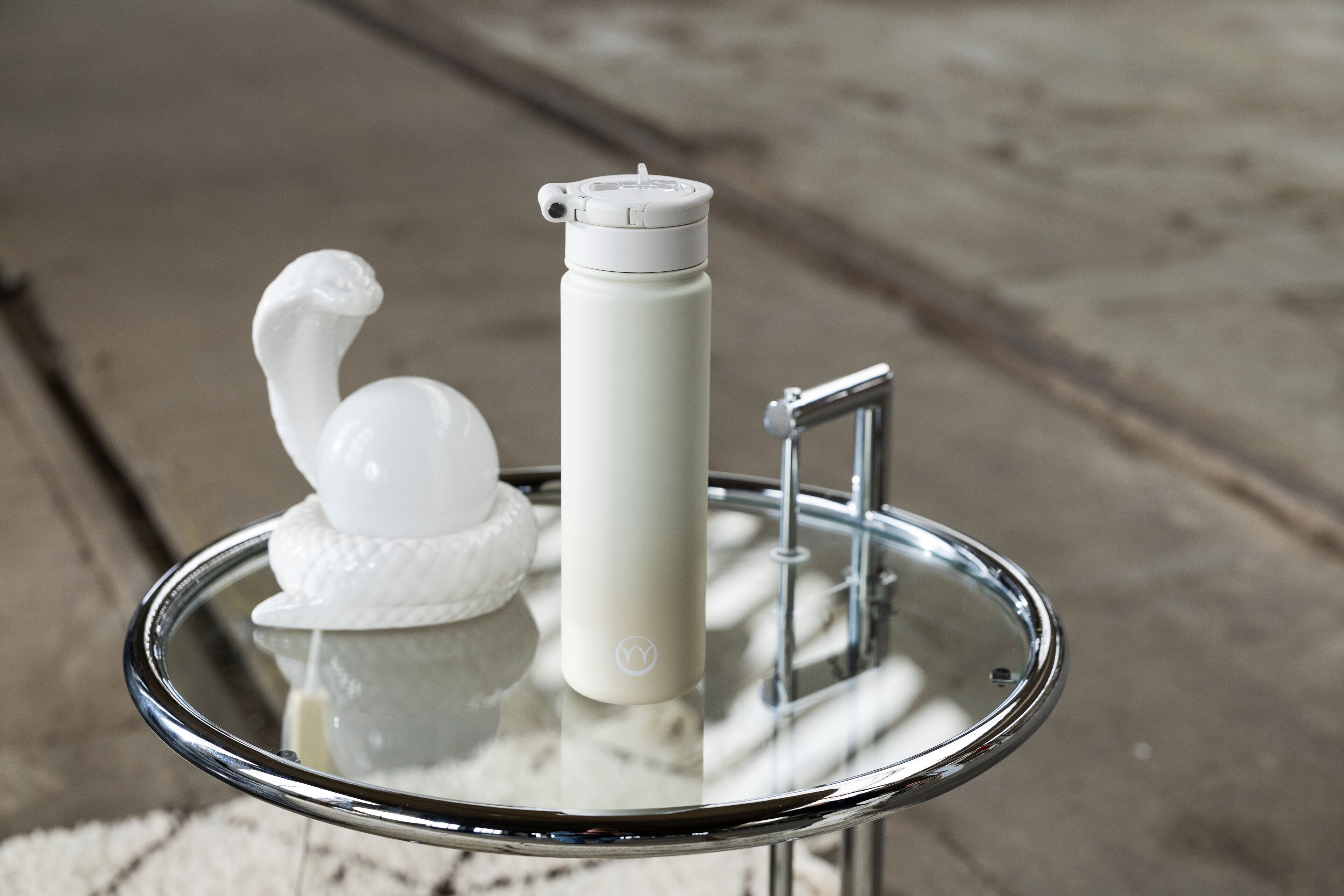
Keep water within arm's reach wherever you feed. A full glass or bottle at your usual nursing or pumping spot means you're reminded — and hydrated — every single session.
Let feeding sessions double as hydration breaks. Take a few sips each time your baby feeds, and you'll naturally rack up fluids throughout the day.
Warm drinks count too. Herbal tea, warm water with lemon, or a cup of broth are cozy, seasonally appropriate ways to add fluids (see the FAQ below on choosing teas that are fine while breastfeeding).
Eat your water. Soups, stews, and water-rich fruits like oranges and pears all contribute to your daily fluid intake — helpful on days when drinking enough feels hard to keep track of.
Nutrient-dense foods that support your immunity
As the weather turns, leaning into a few immunity-friendly staples can help you feel more resilient — no strict diet required, just a bit more intention with what's already on your plate.
Vitamin C-rich foods: citrus, bell peppers, broccoli, and kiwi
Zinc: pumpkin seeds, chickpeas, oats, and lean meats
Iron: leafy greens, lentils, and fortified cereals — especially helpful if you're feeling low on energy
Healthy fats: avocado, nuts, and olive oil, which support overall recovery and steady energy
Fermented foods: yogurt, kefir, or sauerkraut, which are gentle, everyday ways to support gut health
You don't need to eat perfectly to benefit — even adding one or two of these to meals you're already making is a solid step.
Quick, nutrient-dense meal prep ideas
When you're feeding a baby around the clock, "cook a big healthy meal" can feel like a joke. These ideas are built for real life — minimal steps, made-ahead, and easy to eat one-handed if needed.
Big-batch soup or stew Make a large pot of vegetable, lentil, or chicken soup on a slower day and portion it into containers. Reheats in minutes and covers hydration and nutrients at once.
Overnight oats jars Combine oats, milk (dairy or plant-based), chia seeds, and fruit the night before. Grab-and-go breakfast or snack that needs zero prep in the morning.
Energy bites Blend dates, oats, nut butter, and a scoop of seeds or nuts, then roll into small balls and refrigerate. A few minutes of prep gives you a week's worth of one-handed snacks.
Sheet-pan roasted vegetables Roast a tray of seasonal vegetables (squash, carrots, broccoli) with olive oil once, then add them to grain bowls, wraps, or scrambled eggs throughout the week.
Smoothie packs Freeze portioned bags of spinach, berries, and banana. Blend with milk or yogurt for a fast, nutrient-dense option any time of day.
A few common questions
Do I really need more water if I'm formula-feeding? Yes — your hydration needs don't disappear just because you're not breastfeeding. Recovery, sleep changes, and simply caring for a newborn all draw on your energy and fluids, so the same habits above apply to you too.
Is it safe to drink herbal tea while breastfeeding? Many herbal teas are considered fine in moderation, but some herbs aren't recommended while breastfeeding. Check with your midwife or doctor before adding a new tea or supplement to your routine, just to be safe.
What if I'm too tired to meal prep at all? That's completely normal in these early months — energy for extra steps in the kitchen often comes and goes. On lower-energy days, even keeping cut fruit, yogurt, or nuts within reach counts as taking care of yourself. The ideas above are there for when you have a bit more capacity, not a standard to hit every week.
Making it easier on yourself
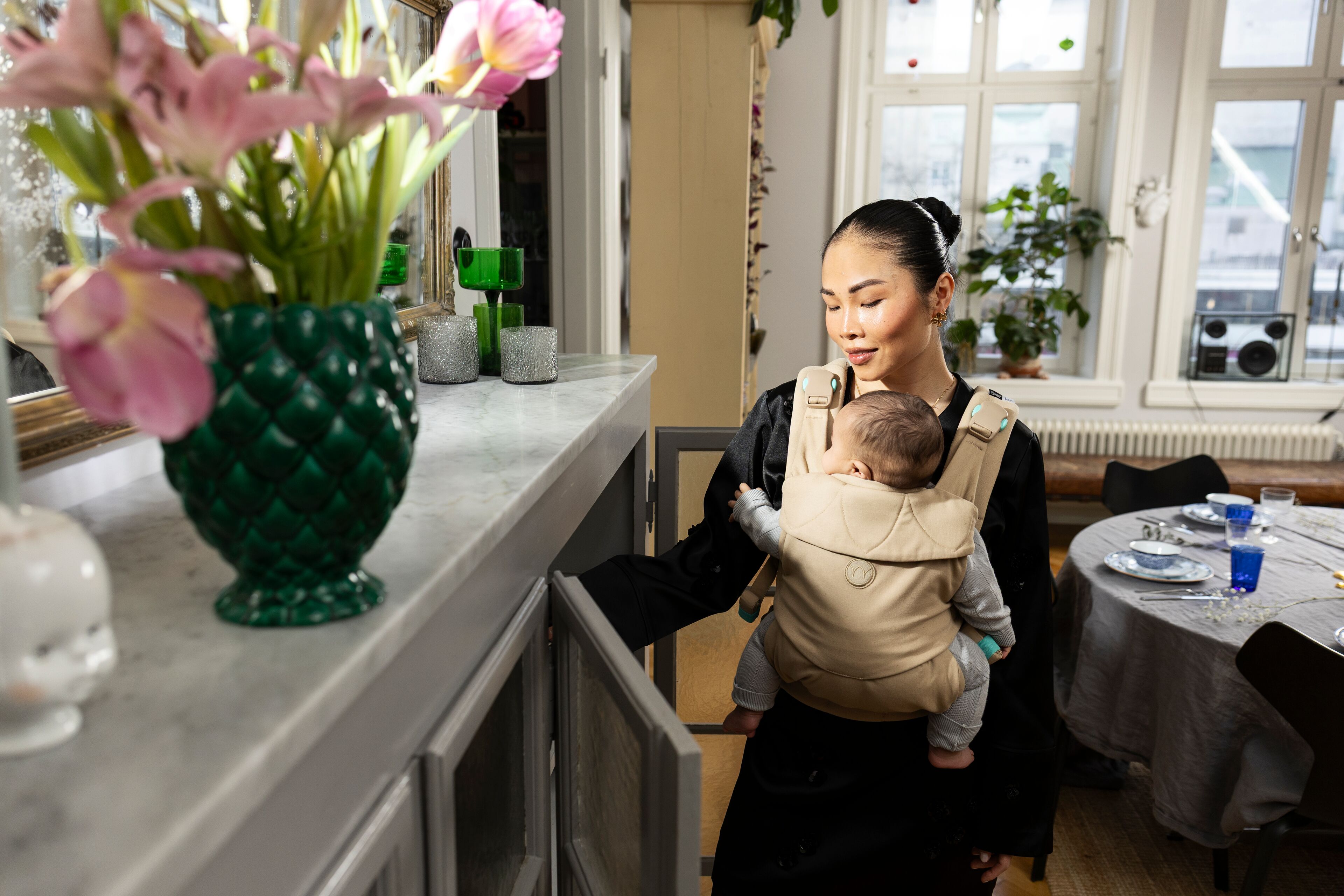
Some days, simply having a free hand to eat, drink, or prep a snack is the whole challenge. This is where a carrier can quietly help — with your baby settled hands-free, you've got both hands back for chopping vegetables, filling a water bottle, or eating a meal while it's still warm.
Above all, remember that looking after your own hydration and nutrition isn't extra credit — it's part of taking care of your baby, too. Small, steady habits are enough. You don't have to get it all right every day.